

Page of CEO

Every dish on your plate has a past — even if you’ve never thought about it.
That’s why we love writing stories about the history of food, dishes, and the greatest chefs of the past.
There are two simple reasons.
First, the history of food is inseparable from the history of civilization.
Can you imagine a world without honey? Without the discovery of fire and meat cooking? Without the small culinary breakthroughs that shaped how people lived, traveled, and survived? Food has always been there, quietly building our world. The examples are everywhere.
Second, history inspires the way we cook today.
Whether you are a professional chef or someone cooking with love for family and friends, the stories behind dishes and traditions can open new ideas. They spark creativity, offer fresh perspectives, and inspire new approaches in the kitchen.
We truly believe this:
when we understand where food comes from, we create better food today.
History doesn’t live in the past — it feeds the future.
Julija Toth,
CEO, Founder

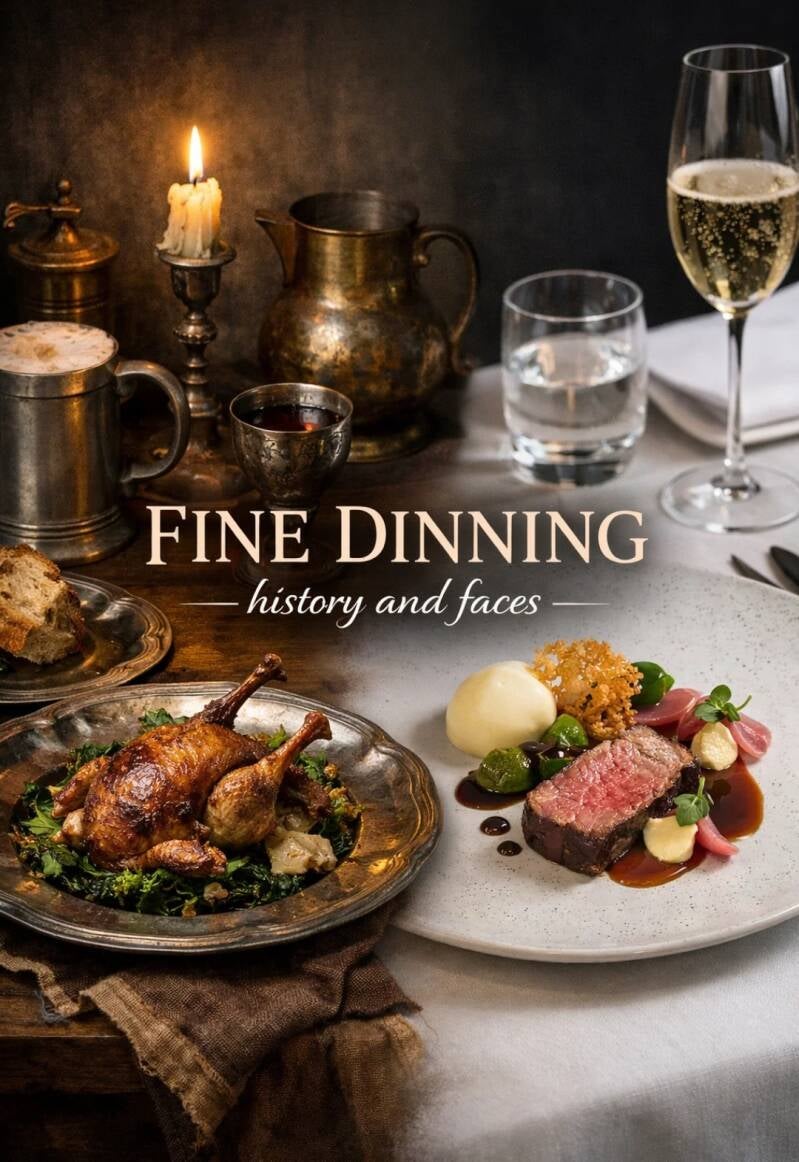
Once upon a time, long before tasting menus and Instagram photos, fine dining was not something you could simply reserve for Friday night. It was theatre — private, glittering, and reserved only for kings, queens, and the powerful elite.
In the 17th century, inside the extravagant courts of Louis XIV, meals were performances of wealth. Tables sparkled with silver, porcelain, and endless courses designed not just to feed guests, but to impress them. Dining was about status. The more elaborate the meal, the more powerful the host appeared.Ordinary people could only imagine such experiences — until history intervened.
The year 1789 arrived, and with it the French Revolution. Aristocrats fled or lost their fortunes, and suddenly their highly trained private chefs found themselves without employers. But these chefs carried extraordinary skills.
So they did something revolutionary too: they opened restaurants. For the first time, anyone with enough money — not just nobility — could sit at a private table, use fine cutlery, and enjoy refined cuisine. Luxury stepped out of palaces and into the streets.
One of the first pioneers was Antoine Beauvilliers, who opened **La Grande Taverne de Londres** in Paris in 1782. It offered elegant surroundings, professional service, and a serious wine cellar — a blueprint for what we now call a luxury restaurant.
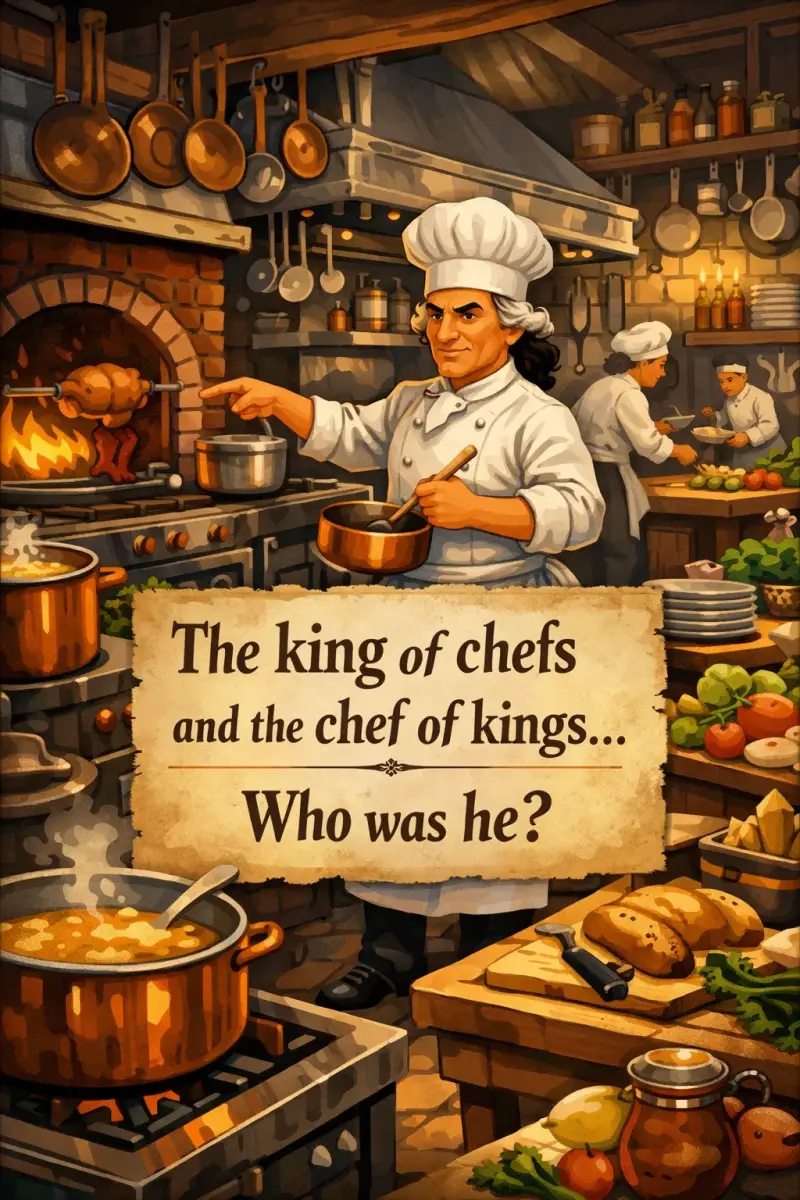
Then came the artistic genius Marie-Antoine Carême, often called the “King of Chefs.” He transformed cooking into architecture, designing dramatic plated creations and codifying the great French sauces.
But the man who truly modernized fine dining was Auguste Escoffier. Calm, organized, and visionary, he created the **brigade system** — specialized kitchen roles still used worldwide today — and introduced the idea of serving meals in elegant sequential courses instead of chaotic table spreads.
Fine dining became not only luxurious, but efficient and refined.
In 1900, a tire company created something that would change gastronomy forever: the Michelin Guide. Originally meant to encourage road travel, it soon introduced the Michelin Star system — the ultimate global symbol of culinary excellence.
Meanwhile, hotel legend César Ritz partnered with Escoffier to unite luxury accommodation with extraordinary cuisine, particularly at the Grand Hotel in Monte Carlo. Their model became the foundation of luxury hospitality around the world.
Across the Atlantic, America joined the story when Delmonico's opened in 1837, bringing fine tablecloths, private dining rooms, and impressive wine lists to New York society.
By the 1960s and 70s, chefs began questioning tradition. Led by Paul Bocuse, **Nouvelle Cuisine** introduced lighter sauces, seasonal ingredients, and elegant presentation. Food became fresher, more natural, and visually artistic.
Then, in the 1990s, culinary science entered the kitchen. Visionaries like Ferran Adrià pioneered molecular gastronomy — foams, gels, unexpected textures — turning dinner into a sensory adventure that surprised and delighted guests.
Modern fine dining is no longer defined only by French tradition. It embraces global inspiration: Japanese kaiseki precision, Nordic minimalism, farm-to-table sustainability, and cultural storytelling on a plate.
What was once reserved for royalty is now an experience anyone can seek — a celebration of creativity, hospitality, and human connection.
Fine dining began as a symbol of power.
Today, it is a symbol of passion.

This is a story about food… and courage. Mostly courage.
At the **Disgusting Food Museum** in Malmö, you quickly realize that food is so much more than simple sustenance. Curious foods from different cultures have always fascinated people — sometimes they look delicious, sometimes… less so. Very much less so. But while cultural differences can separate us, food also has this magical ability to connect us. Sharing a meal — even a questionable one — can turn strangers into friends surprisingly fast.
There is actually a scientific reason why you might suddenly want to run away from certain smells. Disgust is one of the six fundamental human emotions, and evolution designed it to protect us from unsafe or spoiled food. Very helpful. Thank you, evolution. But here comes the fun part: while the emotion is universal, what we consider disgusting is not. What makes one person happy might make another person dramatically reconsider their life choices.
This museum invites visitors to explore exactly that — the idea of what is edible and what is “absolutely not.” And who knows? Maybe changing our perception of disgust could even help us accept more environmentally sustainable foods in the future.
The exhibition includes about 80 of the world’s most notorious foods. Brave visitors even get the chance to smell — and sometimes taste — some of them. Yes, this is where confidence meets reality. Do you dare to smell the world’s stinkiest cheese? Or try sweets made with metal-cleansing chemicals? Suddenly, your comfort zone feels very far away.
Among the famous delicacies you’ll find:
* Surströmming — fermented herring from Sweden (legendary aroma included).
* Cuy — roasted guinea pig from Peru (adorable… until dinner).
* Casu marzu — maggot-infested cheese from Sardinia (movement guaranteed).
* Stinky tofu — pungent fermented bean curd from China (don’t trust your nose).
* Hákarl — well-aged shark from Iceland (for the truly brave).
* Durian — the famously powerful-smelling fruit from Thailand (banned in many hotels for a reason).
By the end of the visit, between laughter, shocked faces, and dramatic reactions, you understand something simple: disgust is relative, curiosity is universal, and sharing strange food might just be one of the fastest ways to bond with other humans.
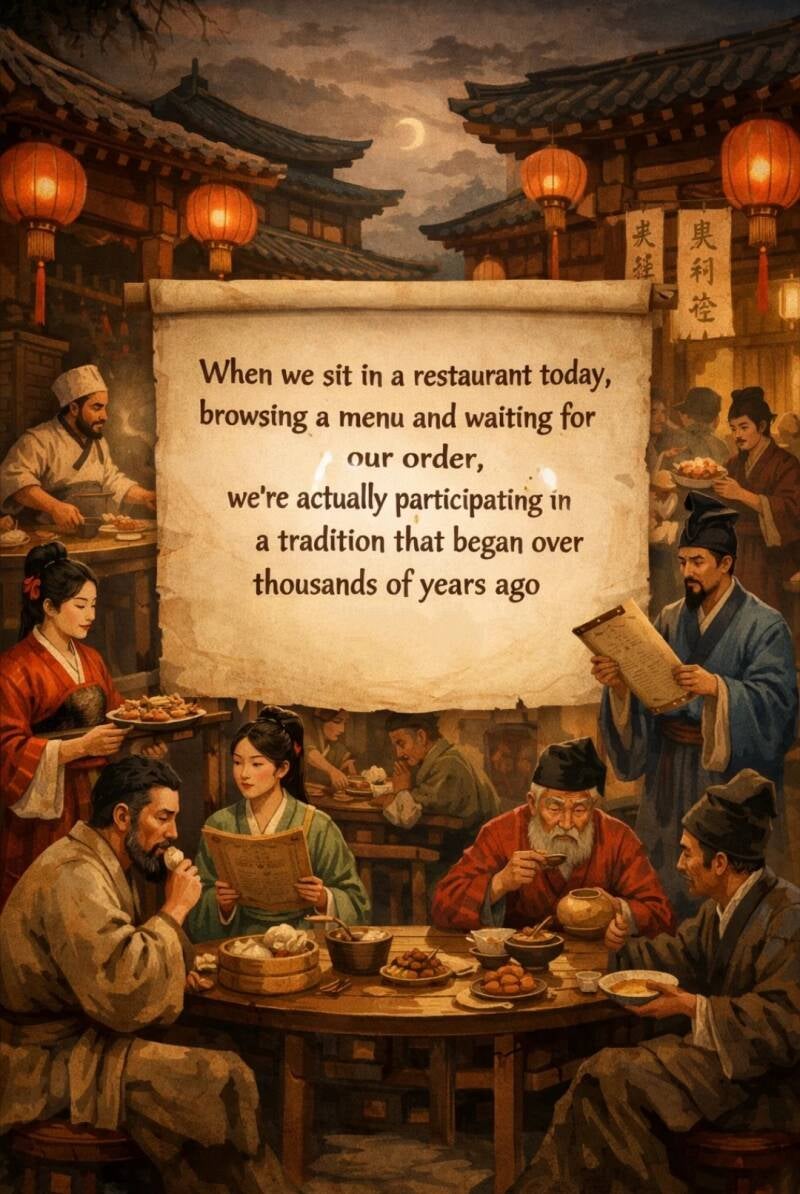
Nearly a thousand years ago, during the Song Dynasty (960–1279), something remarkable was already happening in Kaifeng and Hangzhou, two great cities of China.
While much of the world still ate at home or in simple inns with fixed meals, these cities were buzzing with places that looked surprisingly like modern restaurants. Imagine walking through lively streets filled with merchants, travelers, scholars, and families. Lantern light glows on wooden doors, steam rises into the evening air, and the scent of fried dishes, fresh noodles, and tea pulls you inside.
And then — something new for that time — you could choose.
Some establishments had written menus. Others displayed sample dishes so guests could simply point to what they wanted. There were elegant dining houses for the wealthy, cheerful taverns full of laughter, tea houses for conversation, and humble noodle shops feeding everyday workers.
Inside, trained servers moved quickly between tables. Orders were sometimes called out to the kitchen in rhythmic, almost musical voices — part efficiency, part performance. Specialized chefs prepared cold dishes, fried specialties, roasted meats, and delicate soups, sending plates out in carefully planned sequences.
Menus could list dozens, even hundreds of options — pork, duck, seafood, vegetables, noodles, seasonal delicacies. The wealthy enjoyed elaborate banquets, while ordinary people found comfort in rice, pork, and salted fish. Different lives, same human pleasure: sitting down to eat something made with care.
Food was also seen as balance — hot and cold, rich and light — influenced by philosophical ideas about harmony in the body and nature.
There are even signs that restaurants competed for reputation, using banners or flags — early ancestors of today’s ratings and awards.
So when we sit in a restaurant today, browsing a menu and waiting for our order, we’re actually participating in a tradition that began over thousands of years ago — in the vibrant streets of Song Dynasty China, between the years 960 and 1279.
And somehow, across the centuries, the feeling is still the same: welcome in, sit down, enjoy. 🍜✨
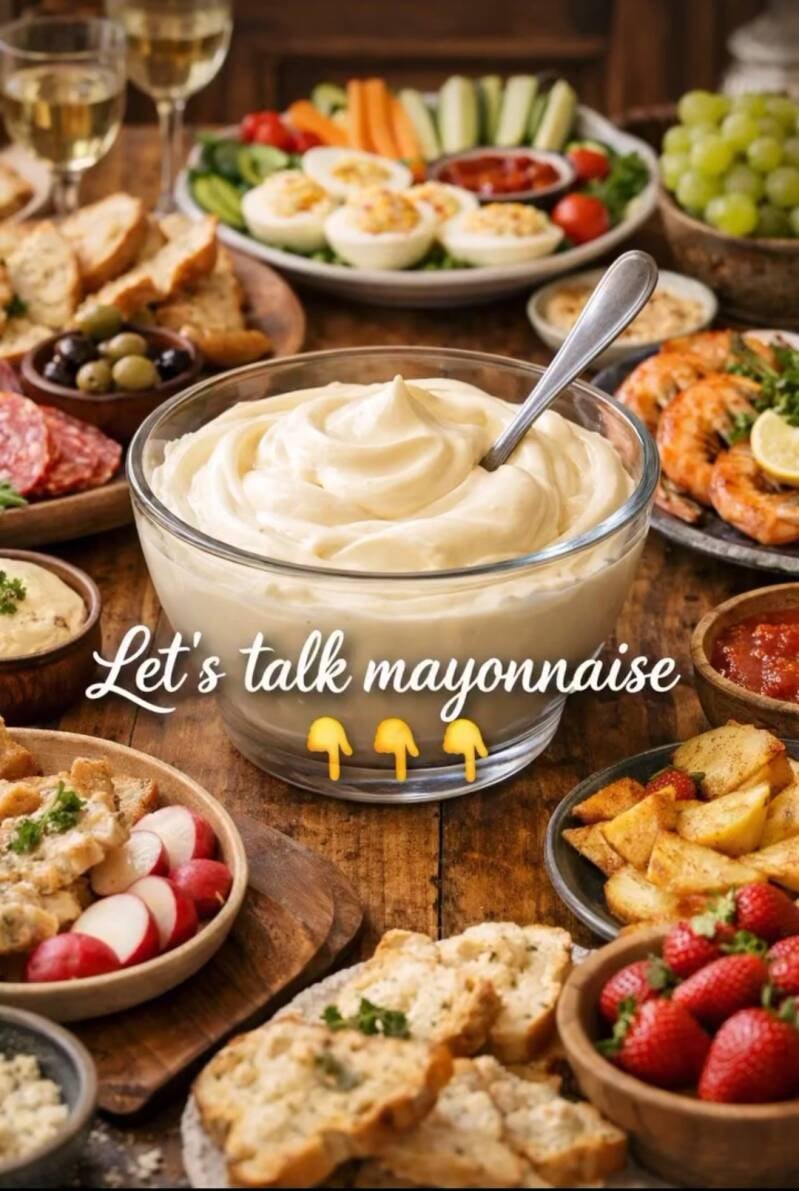
Today, let’s talk about legends, a little history… and one of the most loved sauces in the world: mayonnaise.
Believe it or not, mayonnaise was born out of improvisation. According to the most popular legend, in 1756, during the siege of Mahón on the island of Minorca (Spain), a French chef found himself without cream to make a sauce. So he did what great chefs do best — he improvised. He mixed olive oil and eggs, creating a smooth, rich sauce and named it “mahonnaise” after the port of Mahón.
The French quickly fell in love with it. Over time, they refined the recipe, and culinary legend Marie-Antoine Carême helped develop the perfectly emulsified version we know today. Eventually, the sauce became known as mayonnaise.
But the story doesn’t end there.
Where does the name really come from?
Mahón, Spain: The most famous theory links the name to Mahón, celebrating a victory sauce made by the Duke of Richelieu’s chef.
Spanish roots: Some believe the French chef learned the recipe from local islanders, meaning the sauce may actually be Spanish in origin.
Other theories: The name might come from the French word manier (“to handle or mix”), moyen (“middle”), or even the city of Bayonne — Bayonnaise.
From France to America
Mayonnaise appeared in American cookbooks as early as the 1830s, but its real boom came in the early 20th century. Around 1905, Richard Hellmann began selling his deli-made mayonnaise in New York — and the rest is history. Later, Duke’s Mayonnaise followed, becoming a beloved Southern classic.
Mayonnaise around the world
Japan: Famous for Kewpie mayonnaise, made with extra egg yolks and apple and malt vinegars — creamy, tangy, and iconic.
Russia: One of the biggest mayonnaise lovers in the world, often using sunflower oil and adding it generously to traditional salads.
From a kitchen emergency to a global superstar — not bad for a sauce made from eggs and oil, right?

Secrets behind... Tiramisu
Today, Tiramisù is the most famous dessert in the world, known as the ultimate indulgence. But did you know its origins are far more intriguing than you might think?
📍 THE ORIGIN OF TIRAMISU: FACT OR LEGEND?
The word "Tiramisu" literally means "pick me up"—derived from the Treviso dialect "Tireme su", later Italianized into Tiramisù in the late 20th century.
Historical records trace Tiramisù back to Treviso in the 1800s, but its true origins? They’re a little more… unconventional. 😉
Legend has it that a clever "maitresse" (madam) of a house of pleasure in Treviso invented this aphrodisiac dessert.
💡 Why? To reinvigorate her clients before they returned home—ensuring they had no “issues” with their conjugal duties. 🤭
Yes, you read that right: Tiramisù was originally served in brothels as a 19th-century "natural Viagra"!
Later, this decadent treat found its way into Le Beccherie, a famous restaurant in Treviso, where it became a staple of Italian cuisine.
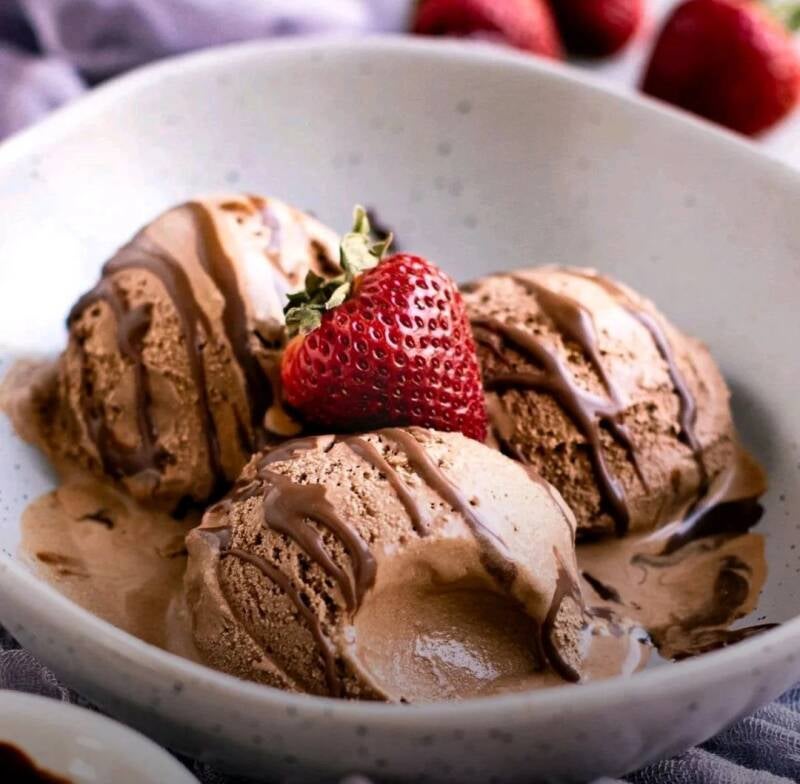
Secrets behind... Ice-cream
The Fascinating History of Ice Cream
Today, we can find ice cream made from almost anything—from exotic fruits to unexpected savory flavors. But did you know that ice cream’s history stretches back over 2,000 years?
📜 Ancient Origins:
❄️ Alexander the Great enjoyed snow flavored with honey & nectar.
❄️ King Solomon was known to sip iced drinks during harvest season.
❄️ Roman Emperor Nero (A.D. 54-86) sent runners into the mountains to fetch snow, which was then flavored with fruits & juices.
🍧 Marco Polo & the Evolution of Sherbet:
When Marco Polo returned to Italy from the Far East, he brought a recipe that closely resembled sherbet. Historians believe this evolved into modern ice cream in the 16th century.
🍨 Royal Indulgence & Ice Cream for the Public:
👑 In the 17th century, England’s Charles I was regularly served “Cream Ice” at his royal table.
👑 Catherine de Medici introduced frozen desserts to France in 1553 after marrying Henry II of France.
👑 In 1660, ice cream was finally made available to the public when Sicilian chef Procopio blended milk, cream, butter, and eggs at the legendary Café Procope in Paris.
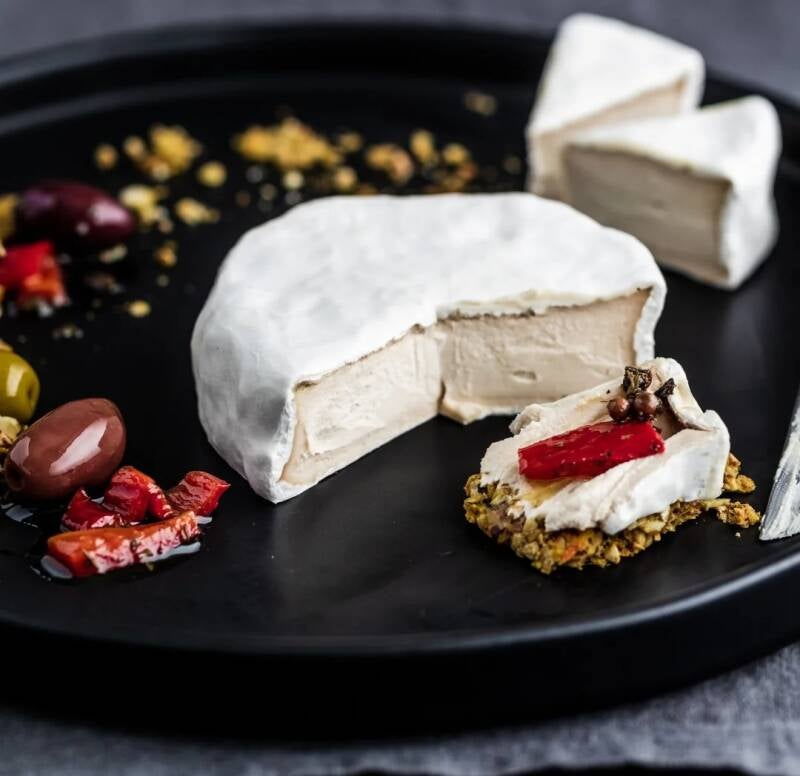
Secrets behind... Camembert
I've often wondered—who had the genius to create such an incredible taste? You might say, "Why not just Google it?" Sure, Google can give me information, but without the feelings behind it—and food is all about feelings.
Let me tell you the legend behind Camembert, and I promise—you’ll never see it as just another great cheese again...
Legend has it that in 1791, during the French Revolution, a farmer named Marie Hamel took in a priest, hiding him from revolutionaries who wanted to take his head. This priest happened to be from Brie—or somewhere nearby—where he had learned the secrets of cheesemaking.
To repay Marie for her kindness (or perhaps simply because they both craved cheese), he shared his cheese-making wisdom with her. But something unexpected happened—something went slightly awry in the process, and instead of Brie, they created… Camembert.
As for the name? That’s another mystery. Some say it was Napoleon, others say Napoleon III, but the story goes that after trying this new cheese, one of them asked where it came from. Upon hearing the name of the village, he declared,
"Well then, from now on, it will be known as Camembert!"
(Of course, he probably didn’t say it in English.)
Now, as I enjoy my Camembert, I can’t help but imagine the fear of that priest and the delight of Napoleon…
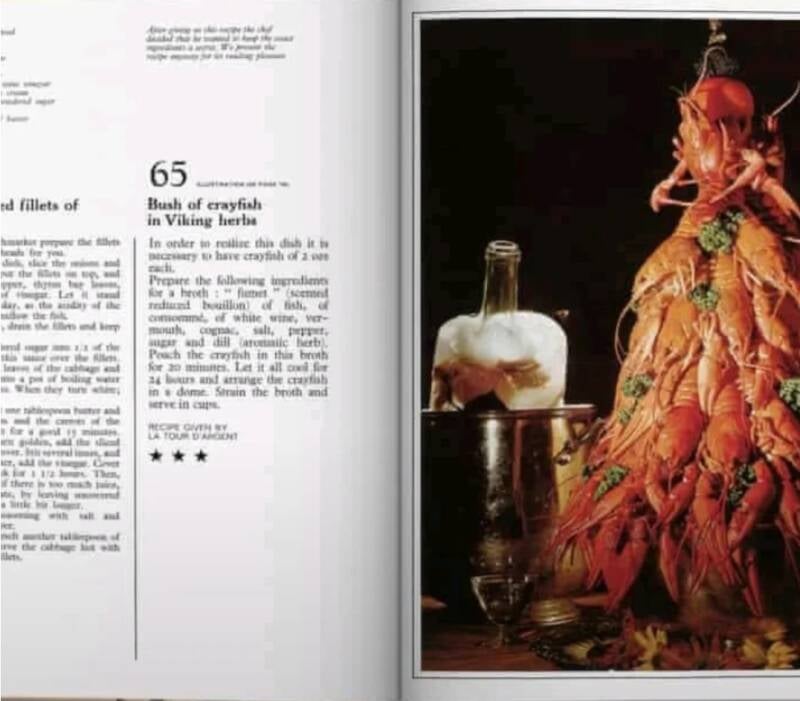
Secrets of... Salvador Dali
Salvador Dalí’s Surreal Take on Food & What Restaurants Can Learn from It!
"Prime Lilliputian Malaises"… "Deoxyribonucleic Atavism"…
No, these aren’t horror book titles. They are chapter names from Salvador Dalí’s lavish, eccentric, and erotic cookbook Les Dîners de Gala, first published in 1973.
This masterpiece features 136 luxurious recipes, compiled by Dalí and his wife, Gala. The book is divided into 12 surreal chapters, including:
🍖 “Prime Lilliputian Malaises” (Meat)
🥦 “Deoxyribonucleic Atavism” (Vegetables)
💋 “The ‘I Eat GALA’” (Aphrodisiacs)
Beyond recipes, it includes stunning Dalí illustrations and photographs of the artist posing beside extravagant banquets.
And when it came to food, Dalí had strong opinions:
❌ He hated spinach because it was shapeless.
✅ “I only like to eat what has a clear and intelligible form.”
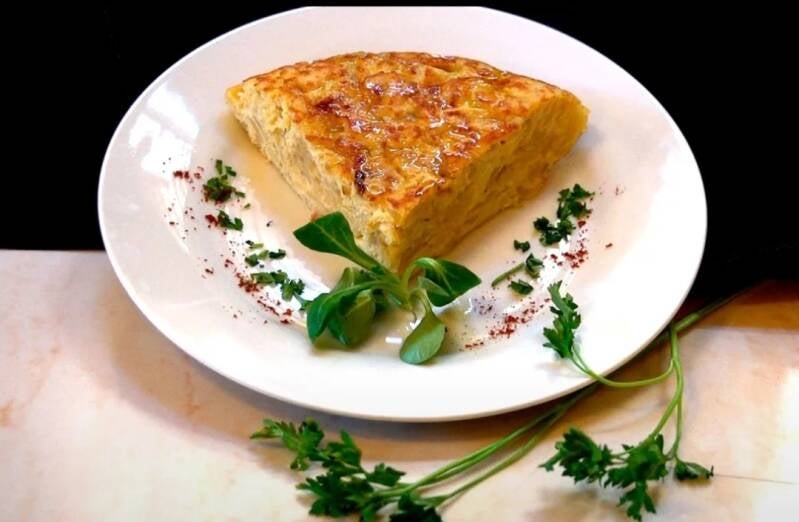
Secrets behind... Omelette
Back in 1964, Pablo Picasso shared with Vogue’s food columnist Ninette Lyon two of his favorite recipes—one for Eel Stew, the other for Omelette Tortilla Niçoise.
But where did the Spanish Omelette (Tortilla Española) actually come from? 🤔
It’s not entirely clear how it became so widely eaten in Spain, but one story says it all started during the First Carlist War (1833-1839).
According to legend, a Spanish Army General visited a local home by surprise. A poor Navarre housewife, with almost nothing to cook, scrambled together a meal using just eggs, potatoes, and onions—and that’s how the Tortilla Española was born.
However, another version claims that General Tomás Zumalacárregui himself invented the dish because it was a simple, fast, and nutritious meal to serve his troops.
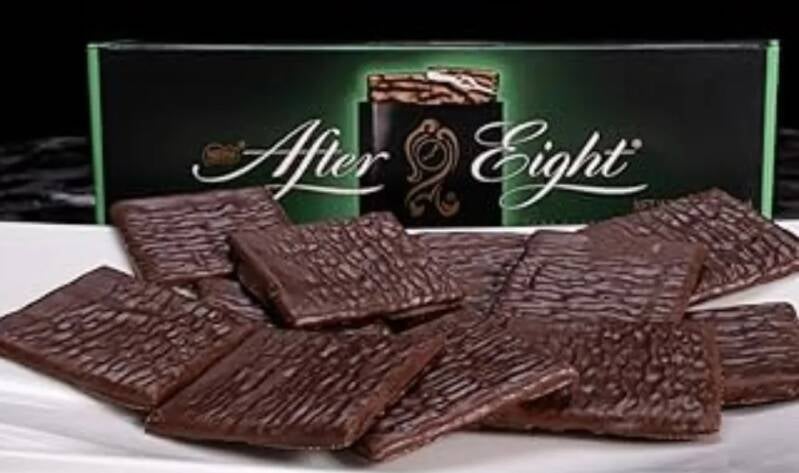
Secrets behind... After Eight
After Eight mints were created by Rowntree's in the UK in 1962, invented by Brian Sollit to solve the technical challenge of coating mint fondant in thin dark chocolate, becoming an iconic after-dinner treat known for their mint-filled dark chocolate thins and sophisticated green packaging, eventually acquired by Nestlé in 1988.
Rowntree's wanted to create a premium after-dinner mint but struggled to enrobe delicate mint fondant in a thin layer of dark chocolate without it melting or leaking.:
Brian Sollit, Rowntree's head confectioner, used a secret recipe with the enzyme invertase. This enzyme kept the fondant solid for three days, allowing it to be enrobed and cooled, then gradually turned it gooey, creating the signature soft center.
The Name: Launched in 1962, the name "After Eight" suggested a sophisticated, post-dinner indulgence, reinforced by packaging featuring an antique clock showing 8 o'clock.
Secrets behind... Burger
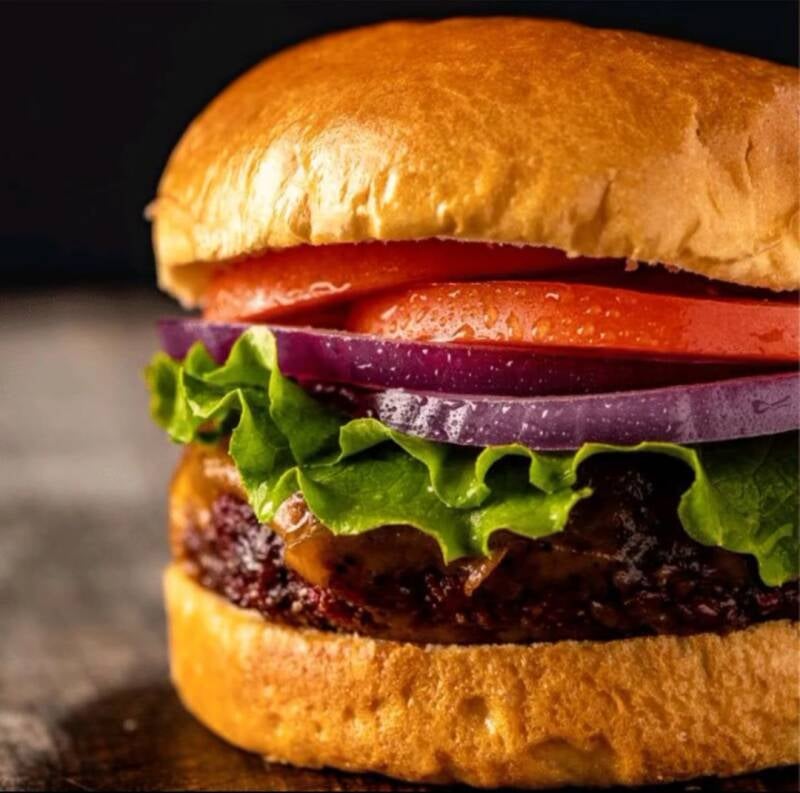
The history of the hamburger dates back over 10,000 years to the domestication of cattle in Mesopotamia. By the 12th century, Hamburg, Germany, was famous for its beef delicacies.
Fast forward to 1848, political revolutions in Germany led to a wave of German immigration to the U.S. With them, they brought their food culture—beer gardens, butchers, and Hamburg-style chopped steak. That eventually evolved into the burger we love today!
Secrets behind... Pudding
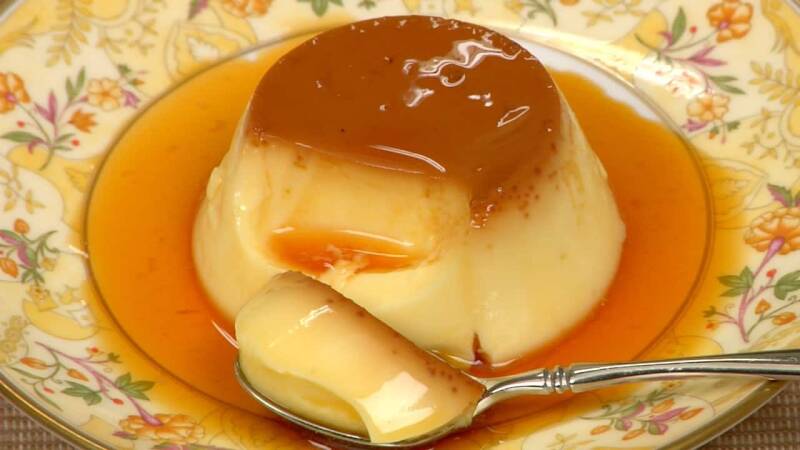
Once upon a time, pudding was not sweet at all.
Its story begins more than 2,800 years ago, around 800 BC, when pudding was a very practical food — a savory, sausage-like mixture made from meat, grains, fat, and sometimes blood, boiled inside animal intestines. Not pretty… but filling, portable, and lifesaving in ancient times.
The word pudding itself comes from the French “boudin” and the Latin “botellus”, both meaning sausage. Back then, pudding was about survival, not dessert.
During the Middle Ages, these boiled mixtures remained common across Europe. They were cooked in cloth or casings, often using whatever ingredients were available. Still savory. Still hearty. Still far from what we imagine today.
Then… something sweet happened.
Between the 1600s and 1800s, sugar and spices became more accessible. Cooks began experimenting. Meat slowly disappeared. In its place came suet, flour, dried fruits, spices, and sweetness. This was the birth of the pudding we recognize — rich, warm, comforting. By the 18th century, Christmas pudding became a symbol of celebration and tradition.
In Britain, the word pudding grew even broader. It came to mean almost any boiled, steamed, or baked dish — from Yorkshire pudding, created to catch meat drippings, to bread puddings and creamy desserts. If it was comforting and homemade, it could be called a pudding.
Finally, in the 20th century, pudding entered the modern world. In the 1940s, instant pudding mixes appeared — turning a centuries-old dish into a quick, creamy, custard-like treat made in minutes.
From animal intestines to dessert bowls…
Pudding has lived many lives.
And maybe that’s why it still feels like comfort in every spoonful 🤍🍮
Secrets behind... “The king of chefs and the chef of kings.”